Everything you need to know about the PPWR
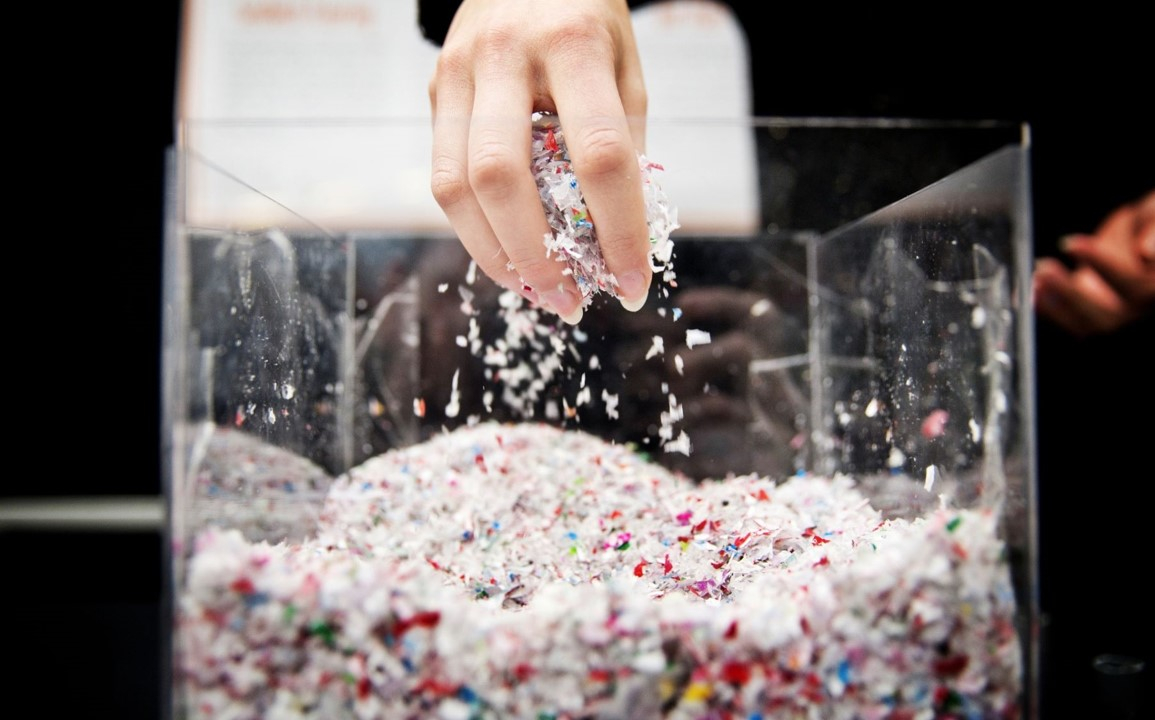
The new Packaging and Packaging Waste Regulation (PPWR)is a fact. With this European legislation, we are taking significant steps together towards a sustainable packaging chain. The new rules will impact the entire chain: producers and importers will feel the effects, as well as all other links within the chain.
Europese Commissie publiceert richtsnoeren en FAQ over PPWR
Op 30 maart 2026 heeft de Europese Commissie de langverwachte richtsnoeren (guidance) voor de PPWR gepubliceerd, samen met een uitgebreid FAQ-document. Hoewel de richtsnoeren formeel nog niet zijn vastgesteld, wordt verwacht dat dit op korte termijn gebeurt, waarna publicatie in het Publicatieblad volgt. De documenten geven verduidelijking bij onderdelen van de PPWR waar veel vragen over bestonden.
De PPWR zelf blijft ongewijzigd. Wel kunnen de richtsnoeren invloed hebben op de interpretatie van definities en verplichtingen. Het advies is daarom om de PPWR als uitgangspunt te nemen en de richtsnoeren te gebruiken ter controle van uw interpretatie. Verpact komt op korte termijn met nadere duiding en informeert u als hulpmiddelen worden aangepast.
Bekijk de FAQ's hier.
Review and adjust your 2026 declaration
The PPWR will enter into force on 12 August 2026. As a result, legal obligations for submitting declarations will change, which may affect your 2026 declaration. Please also refer to our 2026 policy.
It is important to check whether your declaration accurately reflects your situation in 2026. If necessary, you can adjust your declaration yourself in PackTool.
Up to and including 11 August 2026
Until 11 August 2026, your responsibilities remain the same as in 2025.
From 12 August 2026
1. Change in the definition of Producer
The current definition of Producer/Importer will change to the definition of Producer as established in the PPWR. This will have, among others, the following consequences for the period from 12 August 2026:
a. Responsibility for reporting packaging released during import will largely shift to the foreign supplier or logistics service provider.
b. Contract packing will no longer be exempt: logistics service providers (fulfilment service providers) must report packaging that they unpack and discard, even if they do not own the goods. For example, when a fulfilment service provider receives goods from another country, unpacks them, and repackages them for distribution in the Netherlands or other countries, the fulfilment service provider must report the packaging they have unpacked and had collected.
c. Responsibility for reporting shipping packaging (previously known as tertiary packaging) and primary production packaging (agricultural raw materials) will shift to the (foreign) company that places these empty on the market.
d. Internal deliveries within a fiscal unity will no longer be exempt.
2. Expansion of the definition of Packaging
Coffee capsules, coffee pods, and tea bags will be considered packaging from 12 August 2026. For coffee pods and tea bags, the levy will apply from 12 August 2026. For coffee capsules, the start date is 1 January 2027. You must report the materials used under the packaging category “other packaging” and pay the applicable 2026 rate per material.
What remains the same
In 2026, several aspects remain unchanged compared to 2025:
The threshold of 50,000 kg for packaging placed on the market
Exemption for logistics aids
Business packaging scheme; companies must assess themselves whether they meet the conditions for the entire year 2026 based on the revised definition
The declaration form
Please note
The list of point-of-sale packaging remains in force at least until 12 August 2026. This list will be evaluated, and you will be informed of any changes.
Stock levels of packaging held by a producer or importer (according to the definition up to 12 August 2026) that fall under the revised definition must still be reported by the relevant producer or importer in the 2026 calendar year (including after 12 August 2026).
More background information can be found in our webinar.
The PPWR is European legislation on packaging and introduces changes for anyone placing packaging or packaged products on the market. We will continue to update our website. Don’t want to miss anything? Sign up below for our PPWR newsletter.
Learn more about the PPWR? Stay up to date
Design for Recycling
The PPWR requires all packaging to be recyclable. From 2030 onwards, every package must be assessed for recyclability. Manufacturers will then be required to classify packaging into a recyclability performance class, referred to in the PPWR as the recycling performance grade. In this article, we briefly explain how this works.
Joint Research Centre advisory report
In January 2026, the Joint Research Centre published its advisory report on the introduction of European disposal instruction logos, as part of the PPWR. The report serves as a basis for drafting the implementing act(s), which must be adopted by 12 August 2026 at the latest and will enter into force by 2028 at the latest. In this article, you can read more about the report and the current state of play.
Read more about the 8 highlights of the PPWR at the bottom of this page.
The PPWR is a complex law that requires preparations from all parties in the chain. It is smart to delve into it and prepare timely in advance. Verpact lists the key aspects for you:
- What is the PPWR (and when will this regulation become law)?
- What's new and how does the PPWR affect me?
- How can I prepare for it?
- How does Verpact help me?
What is the PPWR (and when will this regulation become law)?
The PPWR is European legislation for everyone in the EU (including the Netherlands) who produces packaging (or parts of packaging), puts it on the market for the first time or who otherwise trades in or uses packaging. The law is intended to make the packaging chain more sustainable.
The European legislation entered into force on 12 February 2025. The obligations stipulated by the PPWR will come into effect on 12 August 2026 at the earliest. The new rules are not yet 100% fixed. At least thirty additional documents containing further detailed legal requirements will be produced by 2029, in the form of implementing or delegated acts.
Objective
The objectives of the PPWR are:
- Addressing the entire life cycle of packaging; from design to recycling
- Identical rules for all European countries, making trade within the EU smoother
- A climate-neutral packaging chain in 2050
This European Parliament document includes the latest version of the PPWR.
What's new and how does the PPWR affect me?
The PPWR introduces several new concepts and obligations. Virtually every company that makes packaging, or parts thereof, makes packaging available, sells it or disposes of it, is faced with one or more of these obligations.
The main changes are:
- There are more different roles that companies can have. Each role comes with its own obligations. The roles distinguished within the PPWR that carry obligations are Supplier, Manufacturer, Importer, Distributor, Final Distributor, Producer, Fulfilment Service Provider, Market Participant, Authorised Representative, and Authorised Representative under EPR (Extended Producer Responsibility for Packaging). In this overview, we explain the definitions of the different roles.
- Several types of packaging are distinguished. The familiar division into primary, secondary and tertiary packaging will disappear. The packaging types within the PPWR will be Packaging, Transport Packaging, E-commerce Packaging, Service Packaging, Take-Away Packaging, Primary Production Packaging, Sales Packaging, and Bulk Packaging. We will explain the various packaging types in this overview.
- The area in which a package is offered covers the entire European Union.
- A manufacturer (the party that produces the packaging) must draw up a Declaration of Conformity for each individual packaging.
- The set of sustainability criteria for packaging has been expanded and partly made measurable. For example, the degree of recyclability of packaging in 2030 will be expressed in a score. In addition, targets will apply for the use of a minimum share of post-consumer recyclate for plastic packaging components.
- Certain packaging is required to be reusable.
- Uniform disposable logos must be used.
- In the future, declaration of packaging put on the market will be made by the Producer who, depending on the type of packaging and how the packaging or packaged product is traded, is a Manufacturer, Importer or Distributor. This may cause a shift in who is responsible for making the declaration.
- Reporting obligations become increasingly detailed.
- The threshold for making the declaration will disappear. All companies that are producers must register and declare. A simplified declaration applies to companies that introduce less than 10,000 kg of packaging in the Netherlands for the first time.
How can I prepare for it?
The PPWR measures have not yet been fully developed. However, you can already prepare yourself:
- Stay up-to-date: we'll keep you updated on developments on this page!
- Make an inventory of which role or roles you have in the chain. You may fulfil multiple roles. Are you a manufacturer within the meaning of the PPWR? In that case, it is mandatory to have completed a conformity assessment for all your packaging and drawn up a Declaration of Conformity for it by 12 August 2026. The process of assessing and preparing the declaration can take quite a while, so it is important to start on time.
- Make an inventory of the types of packaging you use and what these packages are called in PPWR terminology.
- Make an inventory of your obligations depending on your role or roles and the types of packaging you make, trade, sell or use.
- Preparing an inventory: Map out what information you already have about your packaging and what information your supplier can share with you.
- As from 2030, 'poorly' recyclable packaging (less than 70%) will be prohibited. The details of this are not yet clear, but you can do our Recycle Check now. This gives you an idea of how well your packaging can be recycled. You can also start thinking about how you can make your packaging more sustainable. Verpact is happy to advise you on this.
- Is your organisation in need of new packaging machines? Are you launching a new product, or are you considering other innovations? If so, take the upcoming legislative changes into account. For example, the PPWR stipulates an obligation to minimise all packaging in terms of weight and volume.
How does Verpact help me?
Verpact is responsible for the implementation of the law (the collective part): i.e. collection, sorting and processing of packaging waste, including reporting on achieved collection, reuse and recycling percentages. We consider it our duty to communicate the changes in legal individual responsibilities of producers and importers in a timely and clear manner. We will therefore keep you informed of all developments and support you in implementing the new rules step by step. We are currently working on a tool that indicates exactly what role you have and what obligations arise from it.
- Q&As about packaging administration can be found here
- Click here for answers to questions about rates
- On this page you will find the answers to Rate Differentiation